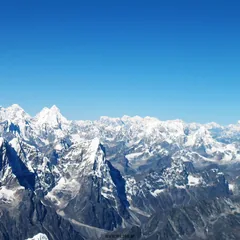
Kathmandu: Mount Everest Scenic Tour by Plane with Transfers
★ 4.6 · 268 reviews
- Cheapest flight here
- Two hours with hotel transfers included
- 268 reviews at 4.6 — the strongest on this page
- Free cancellation
Altitude
People worry about altitude on an Everest flight tour and, for the one-hour mountain flight, they do not need to. The cabin is pressurised, you sit down for an hour, and nothing about the trip requires fitness or acclimatisation. The three helicopter listings that land in the Khumbu are a completely different question, and this page separates them clearly.

Quick answer
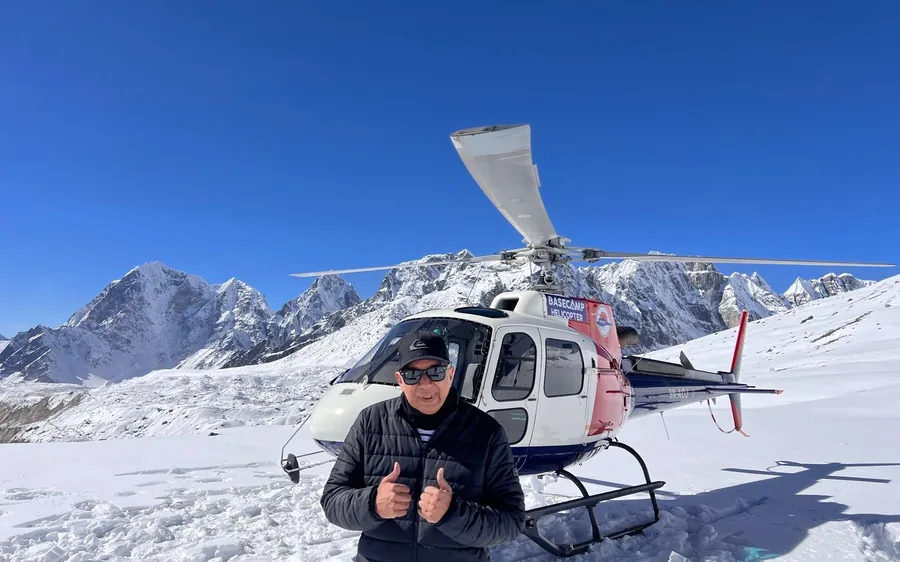
The one-hour flight is pressurised and needs no fitness, no acclimatisation and no permit — it is the same as any airline flight, with better windows. The helicopter listings that land at Base Camp (5,364 m) or Kalapatthar (5,545 m) put you on the ground at altitude in under an hour with no acclimatisation. Most people manage twenty minutes comfortably; if you have a heart or lung condition, ask a doctor first.
The one-hour flight
A pressurised hour, and nothing else.
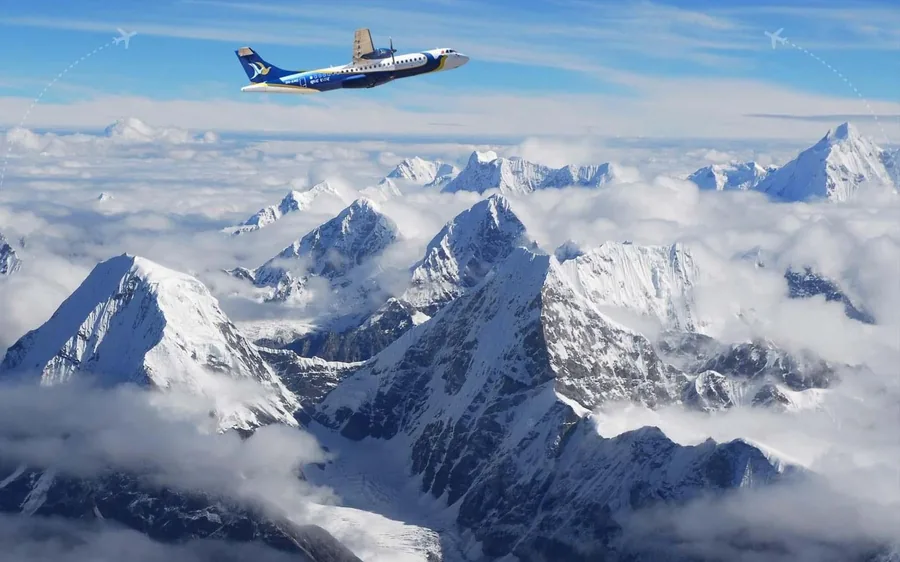
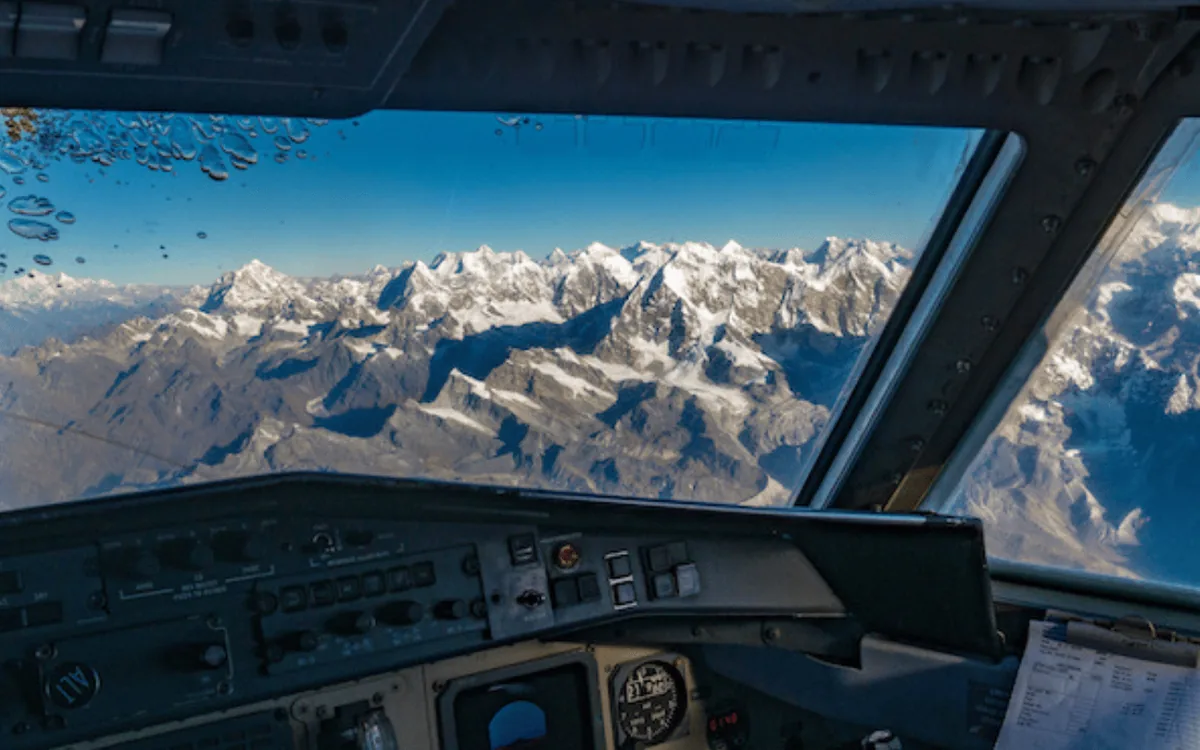
A mountain flight is an ordinary pressurised airline flight on an unusual route. The aircraft climbs to about 25,000 feet, the cabin holds an altitude equivalent to around 2,400 metres like any other airliner, and you sit in a seat for an hour.
Children fly on these, so do people in their eighties, and so do people who have arrived in Kathmandu the previous evening. There is no walking, no exertion and no exposure to real altitude at any point.
If you are nervous about small aircraft in general, that is a different and entirely reasonable worry — the turboprops used are large by mountain standards, thirty to seventy seats, and the route is flown several times every morning.
The helicopter landings
Half the oxygen, arrived in under an hour.
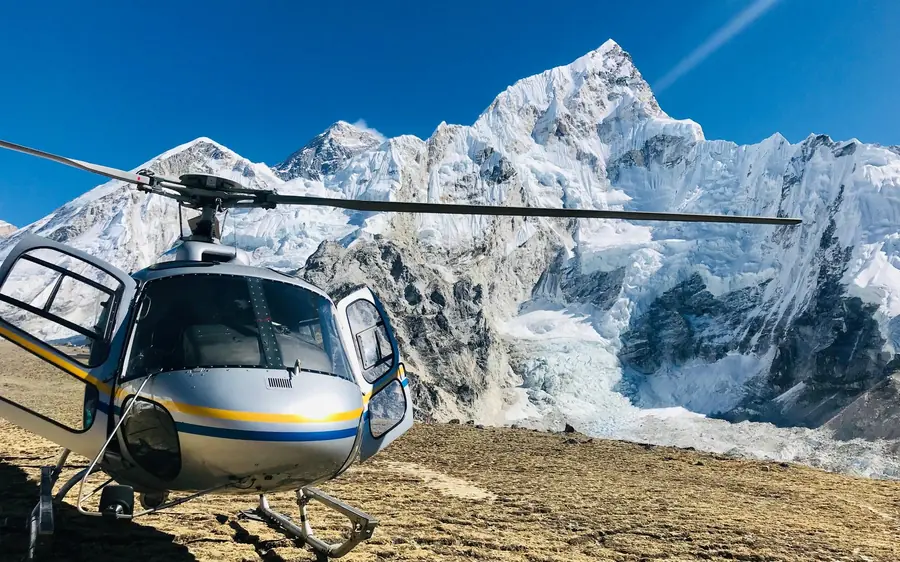
A Khumbu landing takes you from 1,400 metres to over 5,300 in well under an hour, and you get out. There is roughly half as much oxygen up there as at sea level, and your body has had no time to do anything about it.
What most people feel: breathlessness on any exertion, a light head, and a strong urge to move slowly. Twenty minutes is comfortable for the large majority.
What some people feel: headache, nausea, or a heart rate that will not settle. Operators carry oxygen and pilots watch for it, and the fix is to get back in and descend, which takes minutes.
Who should ask a doctor first: anyone with a heart or lung condition, anyone pregnant, and anyone who has had trouble at altitude before. This is not a scare — it is a twenty-minute exposure, not a trek — but it is not nothing either.
Book direct
The one-hour flights first, then the two helicopters that put you on the ground.
★ 4.6 · 268 reviews
★ 4.8 · 101 reviews
★ 4.9 · 30 reviews
★ 5 · 1 review
Five practical notes on comfort
These come up in the reviews more often than altitude does.
Most hotels will do a packed breakfast if asked the night before, and an empty stomach at five in the morning is its own kind of unpleasant.
The route is flown in smooth morning air at cruise. The helicopters, low over ridges, move more.
Turboprops at altitude are not warm. Bring a layer even in the spring.
Standard, and the descent is quick. If you have a cold, take something for it.
On the helicopter listings it is well below freezing where you get out, whatever it was in Kathmandu.
In short
Nothing to think about — unless you land.
The one-hour Everest flight tour is a pressurised airline flight. No fitness, no acclimatisation, no permit, nothing to think about.
The three helicopter listings that land in the Khumbu put you on the ground at 5,364 or 5,545 metres with no acclimatisation at all, for about twenty minutes.
Most people are fine. If you have a heart or lung condition, take the one-hour Everest flight tour and ask a doctor before you consider the landings.
Common questions
No. The one-hour flight is pressurised and you sit down.
No more than on any airline flight; the cabin is pressurised.
Base Camp is 5,364 metres and Kalapatthar is 5,545.
For about twenty minutes, most people are fine. If you have a heart or lung condition, ask a doctor first.
On the one-hour flight, yes, and many do. The landings are a different question and operators state their own limits.
Turboprops at altitude are not warm. Bring a layer even in spring.
Who this matters for, and who it does not
The one-hour Everest flight tour and the Khumbu landings are completely different questions.
It does not matter at all. The cabin is pressurised, you sit down, and an Everest flight tour by plane asks nothing of your body.
Fly on the one-hour Everest flight tour routinely. The landings state their own limits and they vary by operator.
Take the plane. Twenty minutes at 5,500 metres with no acclimatisation is not the place to find out how you react.
The pressurised flight is like any airline flight. Ask a doctor before booking a landing.
A different and reasonable worry. The turboprops used carry thirty to seventy people and fly the route several times every morning.
In short
Nothing to think about — unless you land.
The one-hour Everest flight tour is a pressurised airline flight. No fitness, no acclimatisation, no permit, nothing to think about.
The three helicopter listings put you on the ground at 5,364 or 5,545 metres with no acclimatisation at all, for about twenty minutes.
Most people manage that comfortably. If you have a heart or lung condition, take the one-hour Everest flight tour and ask a doctor before you consider a landing.
What the numbers actually mean
The cabin is 2,400 m. The ground is 5,500.
Cruising height. About 25,000 feet, or 7,600 metres. That is the height of the aircraft, not of you: the cabin is pressurised to an equivalent of roughly 2,400 metres, which is the same as any airliner and about the height of a modest ski resort.
Base Camp. 5,364 metres. This is real altitude with nothing between you and it, and the trekkers who walk there have spent eight or nine days doing so deliberately slowly.
Kalapatthar. 5,545 metres, and the highest ground anybody on this page stands on. Roughly half the oxygen available at sea level.
The gap between the first number and the other two is the whole of this page. One is an airline seat; the other two are a mountain.
Go deeper
From $100 for an hour, and what the helicopter landings add.
The verdictTwelve listings, and the four worth your money.
Fly or trekOne hour against twelve days to the same mountain.
Plane or heliWhat each one can do that the other cannot.
LandingsBase Camp, Kalapatthar and what standing there is like.
BookingDeparture times, transfers and what sells out.