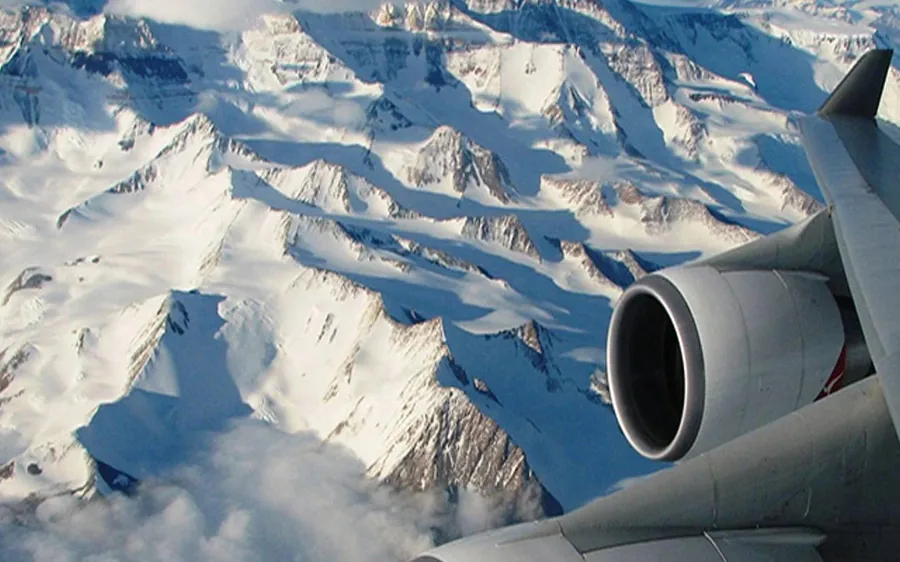
Window seatRated 5.0
1 hKathmandu: Mount Everest Scenic Flight with Airport Transfer
★ 5 · 7 reviews
- A window seat guaranteed on the listing
- One hour, airport transfer included
- Rated 5.0
- Free cancellation
$180$180.00 / hour
Check availability→ Photographs
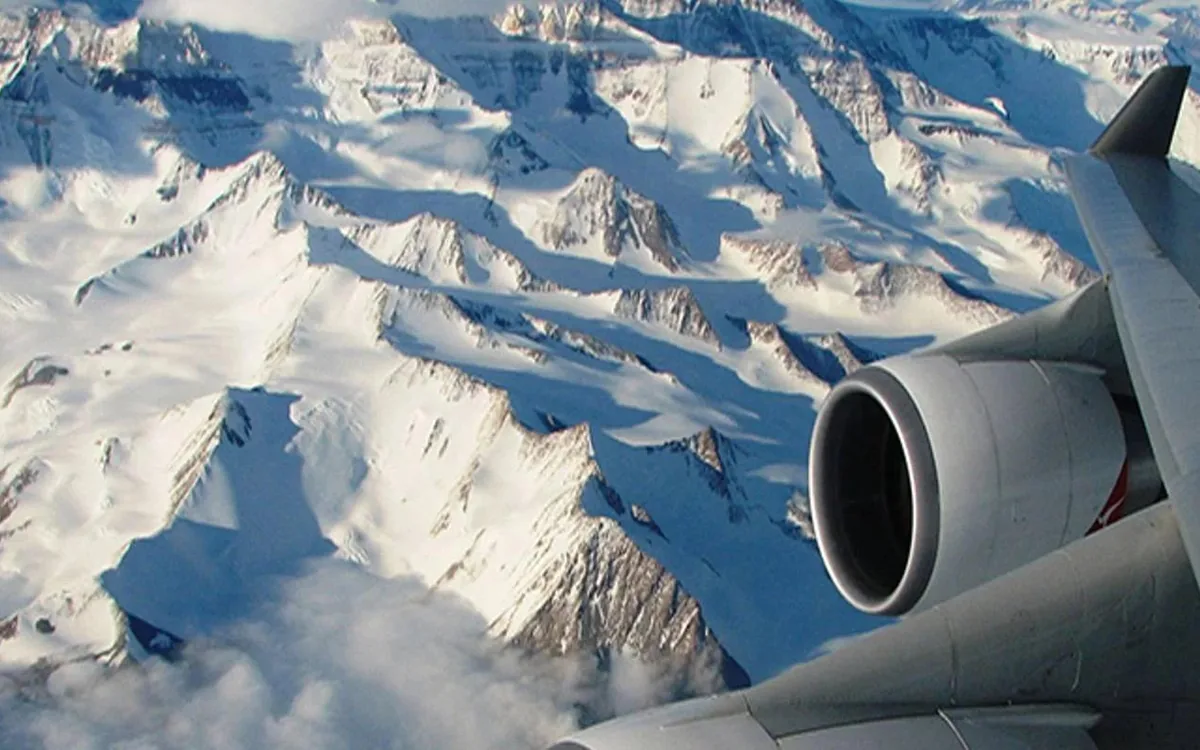
This is a harder photographic problem than it looks. You are shooting through a small, double-glazed, often scratched window, from a vibrating airframe, at a subject that is mostly white, in light that is coming straight at you for the first half of the flight because you are flying east at dawn.
Quick answer
Shoot at 1/1000 or faster, hold the lens an inch clear of the glass, wear dark clothes and expose for the snow rather than the sky. On an Everest flight tour the light is behind the peaks on the outbound leg and on them on the way back, so the return half is usually where the keepers are. Take your turn in the cockpit — the windscreen has no angle problem and no scratches.
The light problem
Backlit going out, front-lit coming back.
An Everest flight tour departs into the sunrise. On the outbound leg the sun is ahead and low, which means the peaks are partly backlit and the snow on the near faces is in shade. That is dramatic and it is very hard to expose.
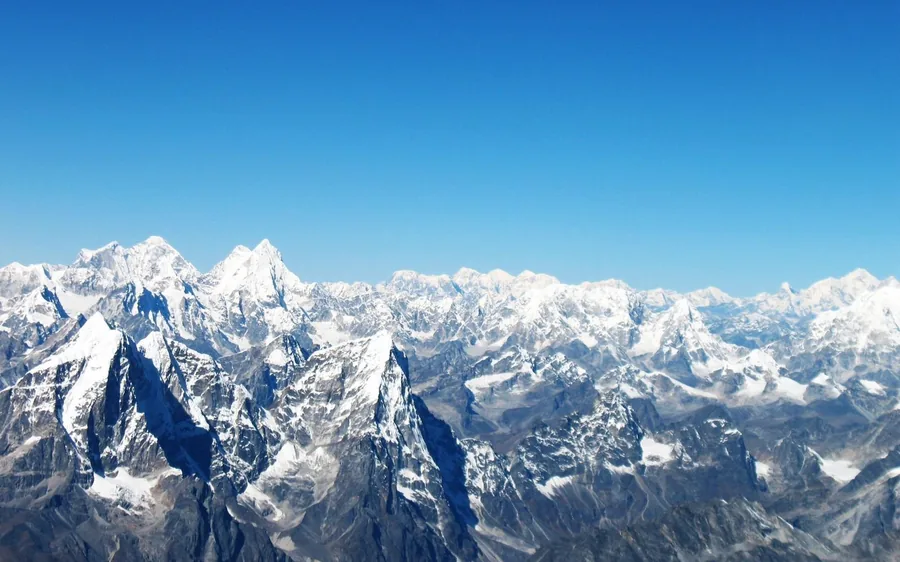
On the return leg the aircraft has turned, the sun is behind you and a little higher, and the peaks are front-lit. The snow separates from the rock, the shadows show relief, and this is where most of the good frames come from.
The practical consequence: do not empty the camera in the first fifteen minutes. Shoot the outbound leg for the shapes and the atmosphere, and keep something back for the way home.
The glass problem
An inch clear, dark clothes, fast shutter.
Cabin windows on a turboprop are small, thick and often scratched by years of service. Nothing you do fixes a scratched pane, and there is no point fighting it — move to a different row if the cabin is not full, or take your photographs in the cockpit.
What does help: holding the lens about an inch clear of the glass rather than pressed to it, which removes reflections without transmitting the airframe vibration; wearing dark clothes, because a pale sleeve is a light source pointed at the window; and shooting at 1/1000 or faster, because the vibration matters more than the ground speed.
What does not help: a polarising filter. Curved, stressed cabin glass turns one into visible bands across the sky.
Book direct
The guaranteed window, our top pick, the cheapest, and the landing that puts you on the ground.
★ 5 · 7 reviews
★ 4.8 · 101 reviews
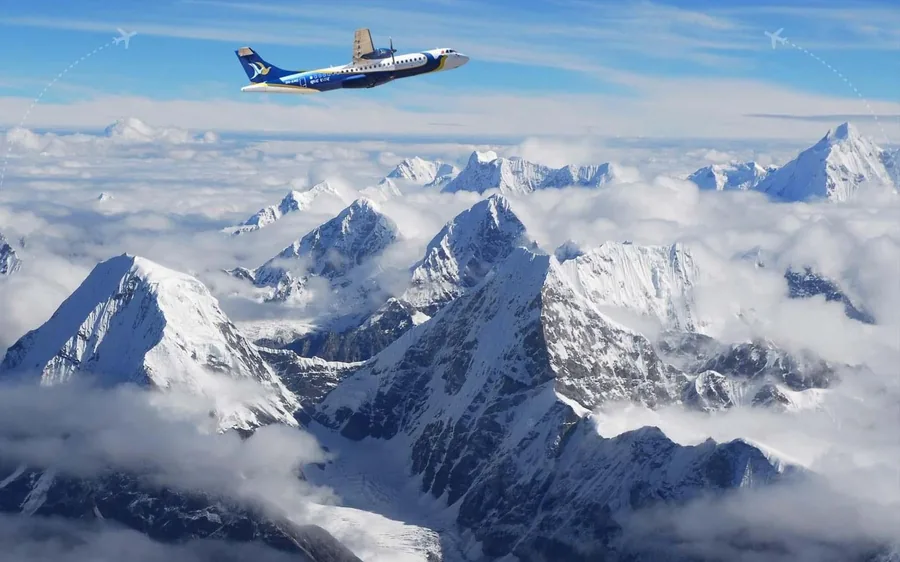
★ 4.6 · 268 reviews
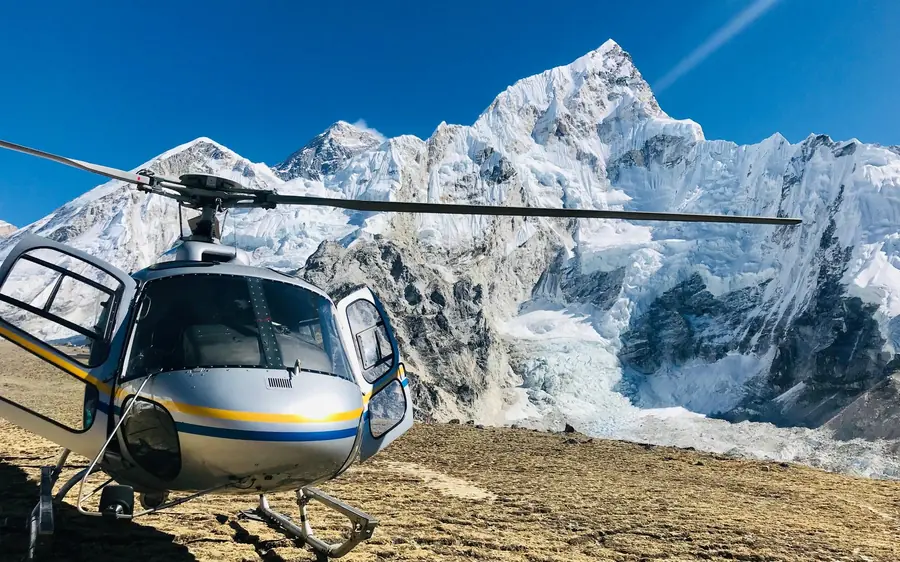
★ 4.9 · 30 reviews
Five mistakes that ruin the photographs
None of them is about the camera body.
Transmits vibration straight into the lens. An inch clear is the whole trick.
The snow is the brightest thing in the frame and it will blow out. Expose for the snow and let the sky go darker.
The light is better on the way back, and the aircraft is only up for an hour.
It magnifies vibration and narrows the field just when the interesting thing is the length of the range.
It is free, it lasts a minute, and it is the only unobstructed view on the aircraft. Ask if nobody offers.
In short
Fast shutter, the return leg, and the cockpit.
Shutter. 1/1000 or faster on any Everest flight tour, whatever the light. The airframe vibrates.
Half of the flight. The return leg is front-lit and the outbound is backlit. Keep something back for the way home.
The cockpit. On most operators every passenger gets a minute up front. No scratched glass, no angle, and the range straight ahead. It is the best view on the aircraft and it is not on the listing.
Common questions
1/1000 or faster. Airframe vibration matters more than ground speed.
No — curved cabin glass turns it into visible banding.
The return leg. You fly east into the sunrise, so the peaks are backlit on the way out.
On most operators, during your turn up front. It is the only unobstructed view on the aircraft.
The range is on the left going out and the right coming back. The aircraft turns at Everest so both rows get it.
For the range as a whole, yes. Hold it an inch clear of the glass and lock the exposure on the snow.
Settings, in one list
You will not have time to think once the aircraft is level.
Vibration, not ground speed. The single most important setting on any Everest flight tour.
Everything is at infinity; you are buying sharpness, not depth of field.
Let it float to keep the shutter fast in the low dawn light.
It is the brightest thing in the frame and it cannot be recovered once blown.
Tracking a moving landscape through thick glass confuses subject detection.
Dawn light on snow through cabin glass is a white-balance problem, and raw is what lets you fix it.
In short
Fast shutter, the return leg, and the cockpit.
Shutter. 1/1000 or faster on any Everest flight tour, whatever the light. The airframe vibrates constantly.
Which half. You fly east into the sunrise, so the outbound leg is backlit and the return is front-lit. Keep something back for the way home.
The cockpit. On most operators every passenger gets a minute up front, and it is the only unobstructed view on any Everest flight tour. It is rarely on the listing.
What to do with the files afterwards
Recover the snow, warm it slightly, stop there.
Recover the snow, not the sky. Dawn light on a white mountain through cabin glass produces frames that look flat and slightly blue. Pulling the highlights back and adding contrast to the midtones brings the relief out; chasing the sky usually makes it worse.
Fix the cast. Double-glazed cabin windows are faintly blue-green, and against snow the cast is obvious once you put a frame next to one shot from the cockpit. A small warm shift fixes it.
Beyond those two, resist saturation. Himalayan light at dawn is already extreme, and pushing it turns a real photograph into a postcard. If a frame looks flat, the problem is almost always contrast in the midtones rather than colour.
Four things to do before you board
The camera decisions are easy; these are the ones people forget.
Cold cabins at altitude take a surprising amount out of a half-charged one.
An hour of a mountain range fills more than people expect.
It bumps the glass and it does nothing useful when you are shooting through a window.
1/1000, f/5.6, auto ISO. You will not want to be scrolling menus when Everest appears.
Go deeper
From $100 for an hour, and what the helicopter landings add.
The verdictTwelve listings, and the four worth your money.
Fly or trekOne hour against twelve days to the same mountain.
Plane or heliWhat each one can do that the other cannot.
LandingsBase Camp, Kalapatthar and what standing there is like.
BookingDeparture times, transfers and what sells out.
Kathmandu: 1-Hour Mount Everest Flight with Private Transfer
★ 4.8 · 101 reviews · Free cancellation 24 h